

Field Notes Dispatch: Chicago Critics Film Festival 2026
12 Movie Reviews and More

It’s been a while since I wrote anything here—my bad. To make up for the absence, here’s me going long on everything I saw at CCFF. Because it’s so long, it might get cut off as an email, in which case you’ll need to switch to browser/in app—my bad.
Also: while I haven’t updated this blog in a bit, I do have some recent writing in other places. If you’re so inclined:
On Pokémon and Nintendo’s attempts at Monoculture for The A.V. Club’s games section (R.I.P.)
History Chasing Its Tail: On Jocelyne Saab’s Beirut Trilogy for Little White Lies
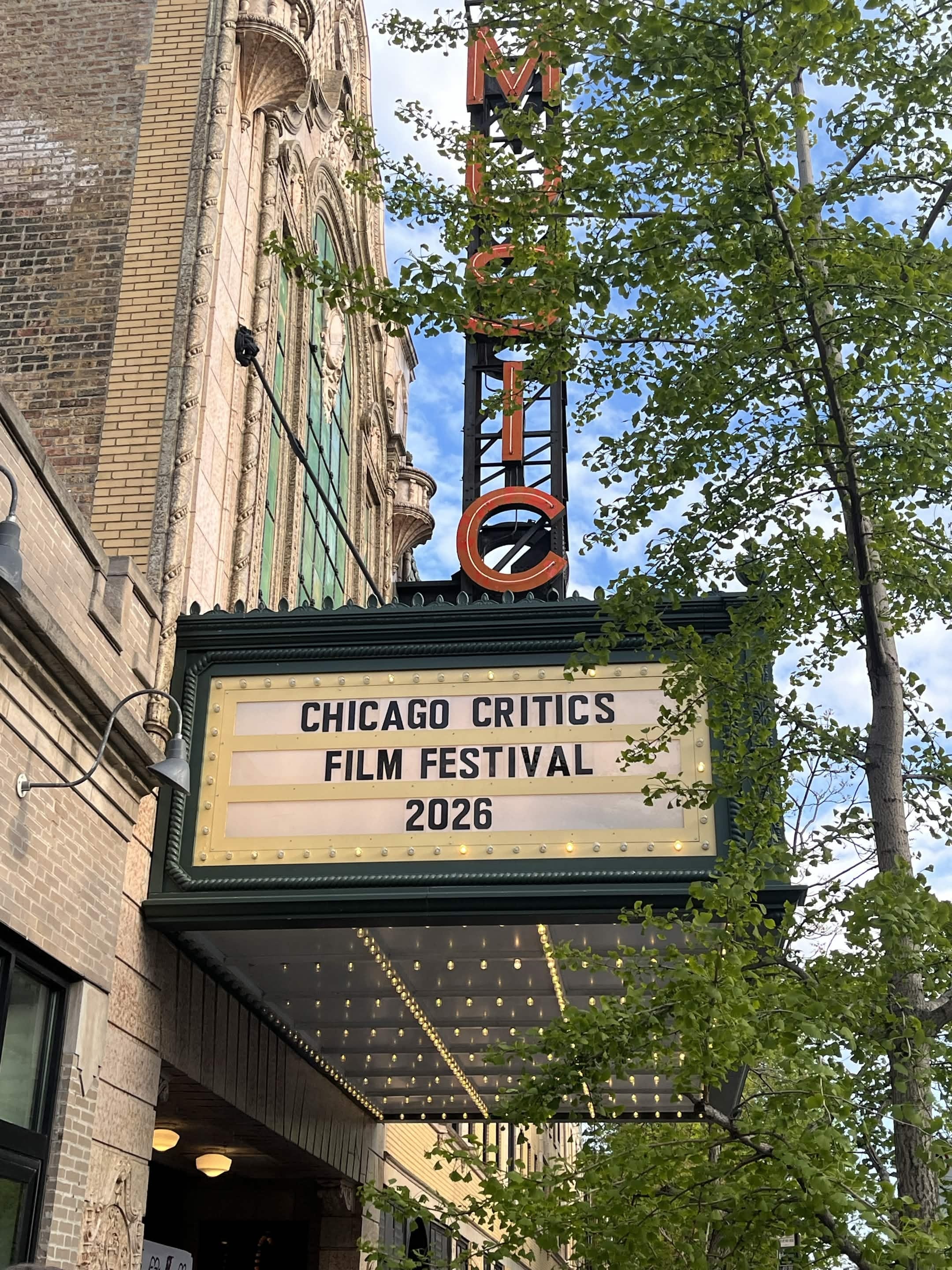
I have returned from my 2nd year attending CCFF, my sequel year following my recognition from the CFCA grant program in 2025. 2 Critics 2 Festival. While I sadly had to cut my attendance short this time around on account of a move I should be packing for at the time of my writing this, I thankfully wouldn’t call this run a sophomore slump. CCFF once again had a number of wonderful films, the familiar faces of friends I made last year, and a number of new bonds that were formed. That’s really the best part of the film festival. So many of my friends who I don’t get to see enough are gathered in one place, meaning every screening is followed by a yap session. There was not a single day of attending where I came home before 1am; a huddle outside the Music Box Theatre always manifested for 1-2 hours as at least 4 of us spoke about the movies we saw, and we caught each other up on the latest happenings and gossip from our lives.
The aforementioned Music Box Theatre that hosts all of CCFF is currently in the process of renovations. They are adding a 3rd screen (woohoo! screens!), and upgrades to the bathrooms were recently completed. As a hydrated person who was often there all day, I became well-acquainted with the new men’s bathroom, which is quite spacious and nice. A friend informed me however that the women’s bathroom appears to be not as spacious—an indignity! I imagine the Music Box will see the error of this decision once Sapphopalooza starts.
The Invite dir. Olivia Wilde
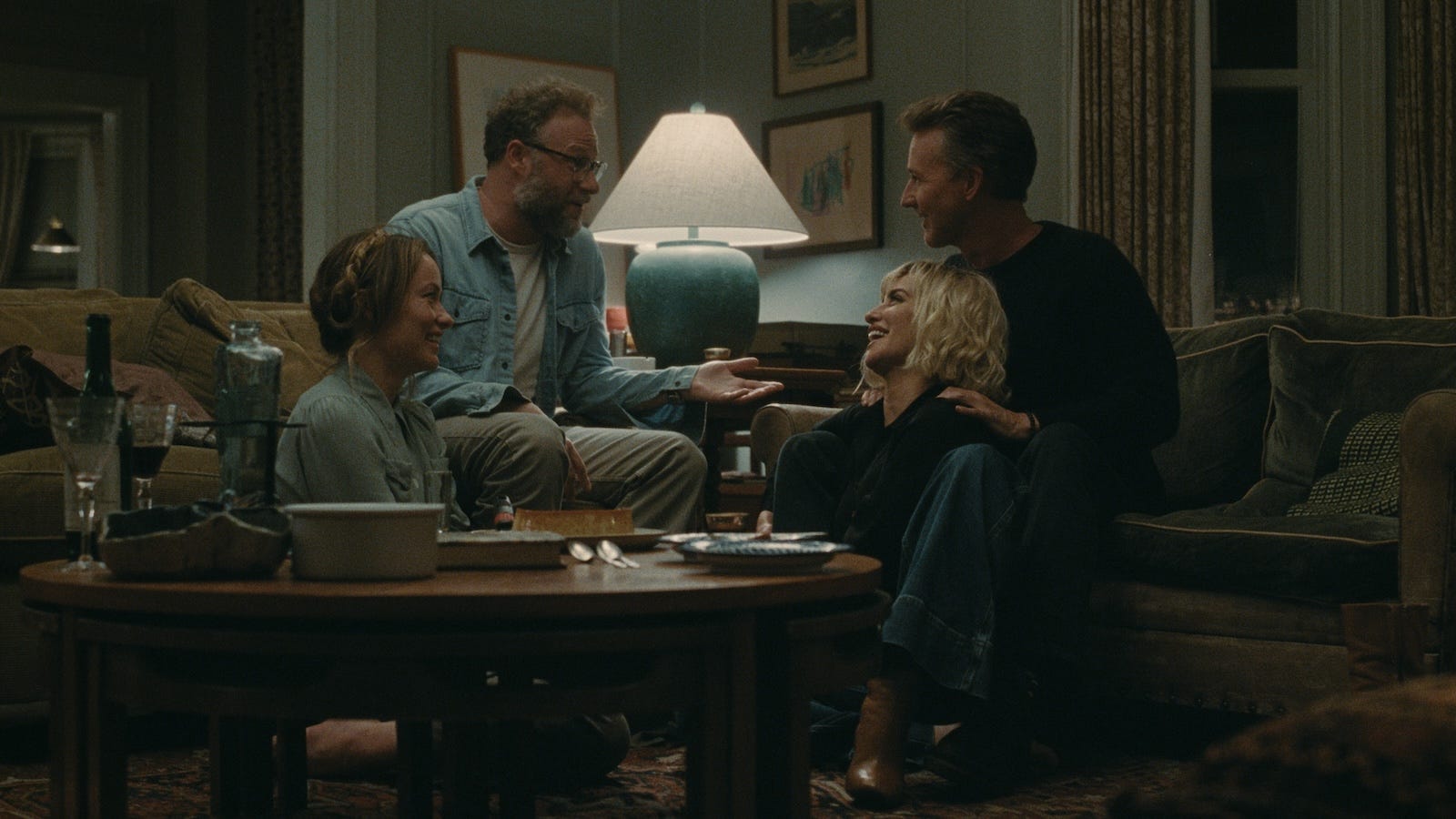
“When making a foursome, it’s important to call Penélope Cruz.” That’s what director Olivia Wilde had to say in the post-screening q&a for The Invite, the opening film of CCFF and a remake of the Spanish film The People Upstairs. The Invite is a classic dinner party movie, staged like a play with its entirety set inside the newly renovated home of the extremely unhappy married couple Angela (Olivia Wilde) and Joe (Seth Rogen). The pair invite over their fellow married neighbors Pina (Penélope Cruz) and Hawk (Edward Norton) who seem perfect and in love, a stark contrast compared to Angela and Joe’s constant bickering.
Wilde’s previously directed projects had me skeptical. I never really jived with Booksmart, and Don’t Worry Darling did in fact make everyone worry. Thankfully, The Invite is undoubtedly Wilde’s best directorial effort to date. This type of film that takes place entirely in one room or home, and focuses on the back and forth of an enrapturing and chaotic conversation between a group of people, is like catnip to me. Even just one extended dinner scene will raise a film’s favor. The Invite has all of those great pieces that you want from something in this mode, like all of your favorite fixings at the Thanksgiving table: learning the psychology of each character and watching them unravel, a physical space which is utilized in an interesting way and is an equally important character, and some great dialogue with a frantic pace. I plan to go long about this one, and this genre in general, in a future post. Stay tuned.
Decorado dir. Alberto Vázquez
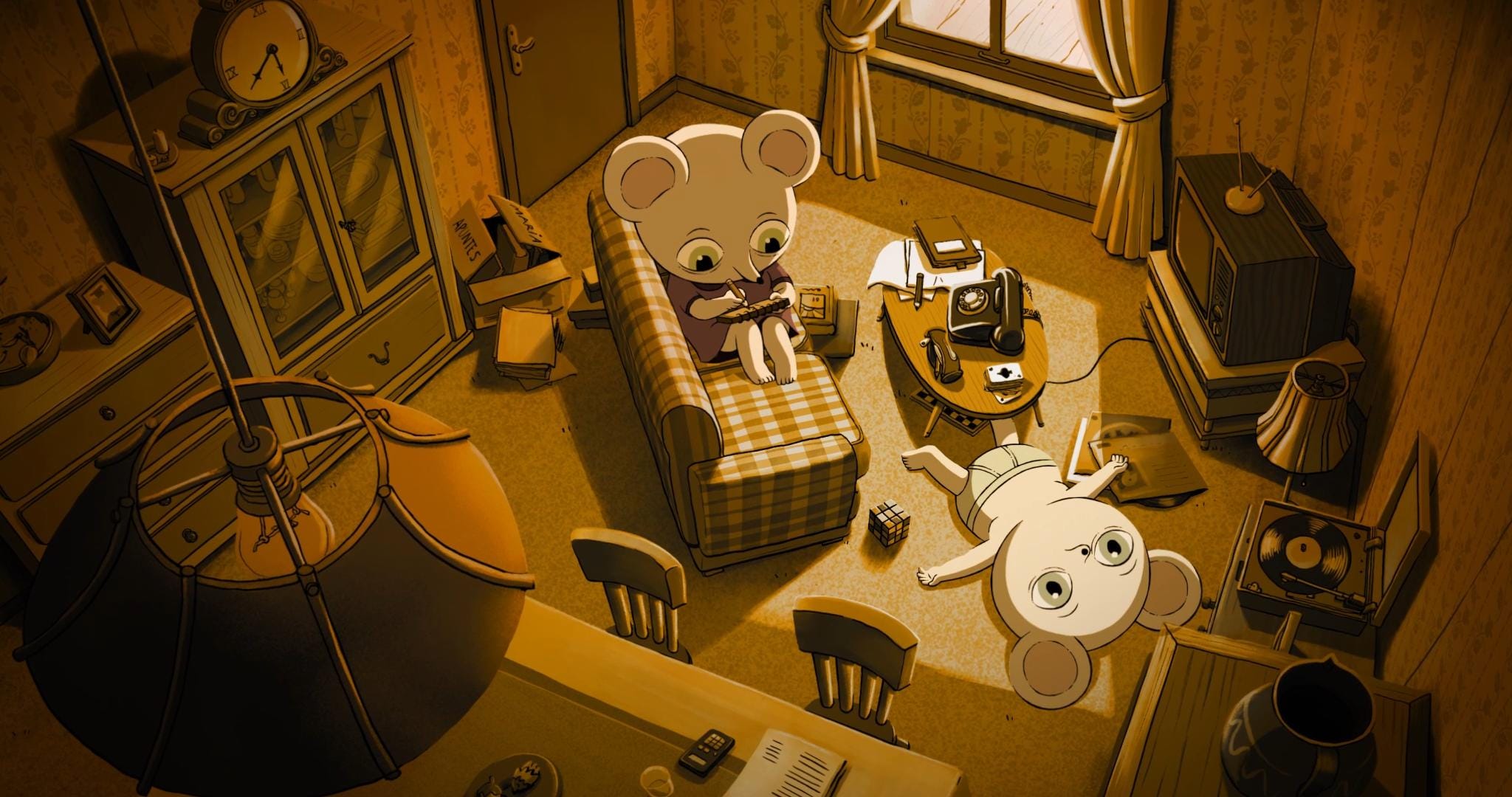
Named after the Spanish word for the various elements used on a theatre stage to create the necessary atmosphere, Decorado is an animated version of The Truman Show. Our hero Mouse Arnold is unemployed and generally crashing out, causing him to become out of touch with his own reality. As he tries to discover whether or not the world around him is real or fake, he begins to receive pushback from his neighbors, the police, etc., creating a conspiracy thriller energy while maintaining the crassness you typically expect from adult animation.
This Adult Swim-style fantasia is bleak in a way that started to wear out its welcome. You can make a fairly accurate guess as to what’s happening very early on, which makes the rest of the runtime feel one-note as you await the inevitable conclusion you’ve already surmised. Still, Decorado is gorgeously animated, with a fully realized world of strange demons and anthropomorphic animals. It’s also occasionally thoughtful in its portrayal of the ways life gets more difficult with age. I imagine Decorado could become a favorite for people who want to watch a movie while extremely high and have a wild trip.
Tuner dir. Daniel Roher
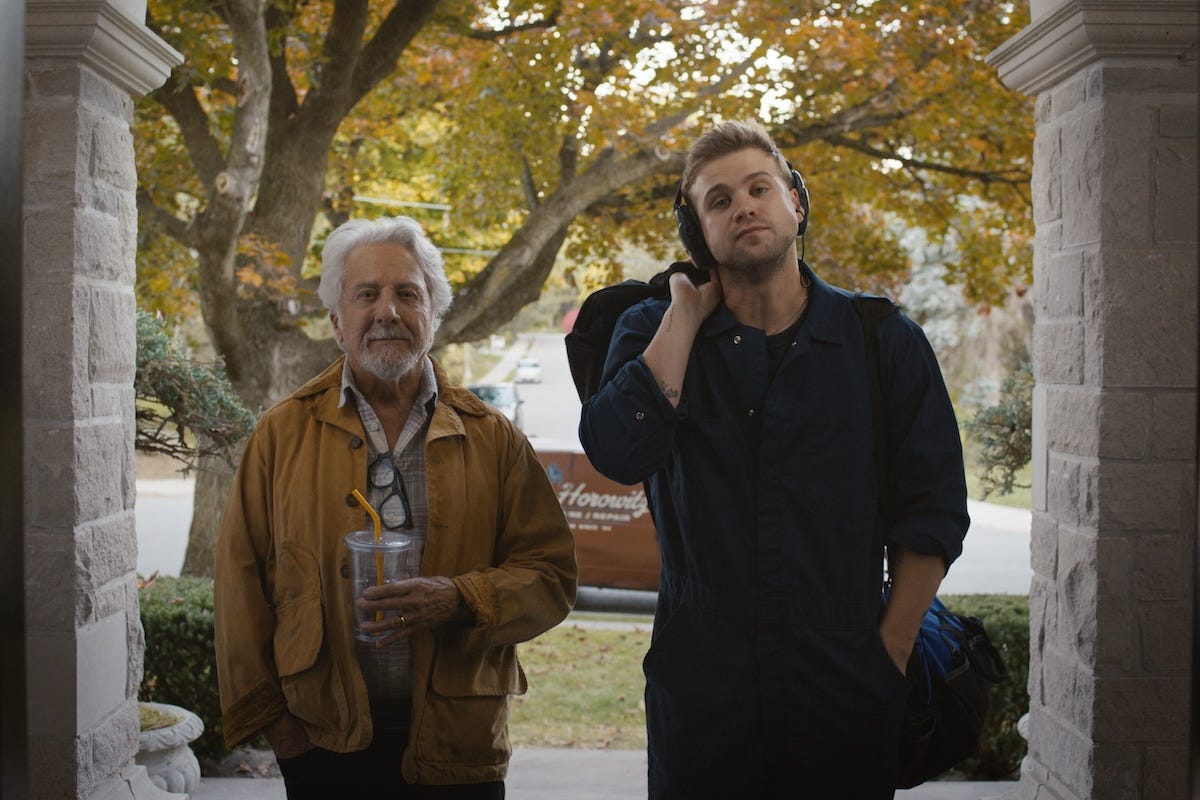
A crime drama that shows how a working-class person is a maestro of their craft? Michael Mann’s sons are everywhere for those with the eyes to see, and we are all better off for it! What makes it clear that director Daniel Roher and Tuner share DNA with Mann is the reverence this film holds for labor and process. Niki (played by Leo Woodall) works as a piano tuner with an elderly Harry (Dustin Hoffman). Niki has perfect pitch, which makes him very good at his job, but he also has a hyper sensitive hearing condition which he must wear noise canceling headphones for, as something like a police siren whizzing past will have him reeling in pain. Niki discovers that his unorthodox acoustic abilities also makes him good at cracking safes, and when Harry ends up in the hospital, he takes some bad deals to get the money needed to cover Harry’s medical expenses.
Alongside its blue-collar narrative is a considered portrayal of living with a disability. The sound design regularly puts the viewer in Niki’s position, giving us a sense of how difficult it would be to move through the world as someone with his condition. After I exited the theater and stood in the Music Box Lounge to discuss the film with another writer, I caught myself noticing just how loud the room was. All the different people chattering, chairs squeaking against the ground, cars driving by just a few feet away outside. Despite the obvious formula it follows, Tuner’s ability to immerse you in the lived experience of this character is bespoke and special. Havana Rose Liu also plays a supporting role as Niki’s love interest, which I was unaware of going in and was very #yay about. She isn’t really given much to do, but does a lot with it anyway, and I always look forward to seeing her. I wonder if Alex Garland is currently mansplaining the lore of Elden Ring to her as she preps for the film adaptation.
Carolina Caroline dir. Adam Rehmeier
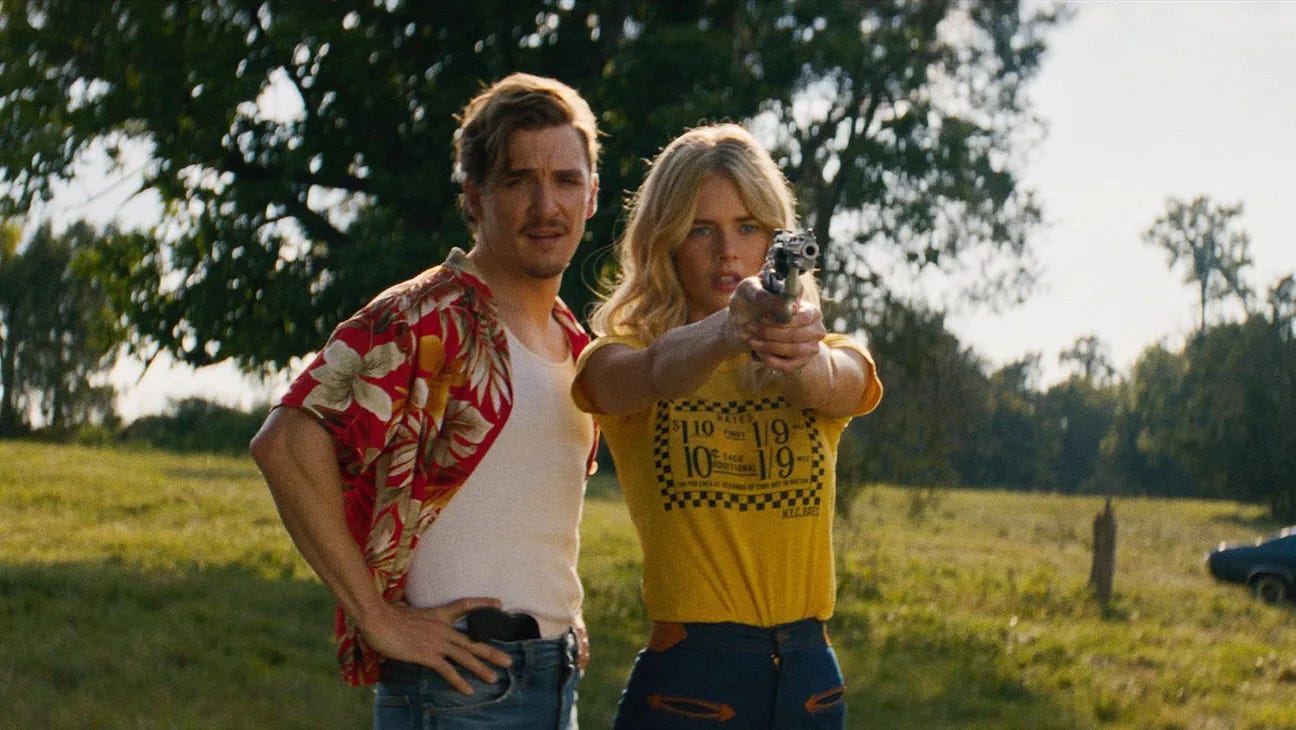
My least favorite of the festival. I am completely allergic to this tone: if Colleen Hoover wrote Bonnie and Clyde. Small town southern gal Caroline Daniels (Samara Weaving) meets petty thief and drifter Oliver (Kyle Gallner) and the two instantly hit it off. The star-crossed lovers become accomplices, robbing banks across the Southern United States while Caroline searches for her estranged mother.
It was interesting to see this back to back with Tuner, as both are crime films that wear their influences on their sleeve in a way that makes them a little too formulaic for their own good. But where Tuner had at least a few things about it that made it stand out from the crowd, Carolina Caroline has none. While Weaving and Gallner try their best, the music is suffocatingly overused, and the storyline and characters are dumpster piles of clichés. Every other line that comes out of Oliver’s mouth is some obnoxious life lesson or thesis statement. The film takes such trite material so seriously that I genuinely thought to myself, “this has to be a joke.” I waited desperately for some shocking twist, genre shift, or otherwise complex series of events that would completely recontextualize the tone and style of the images I had been witnessing. Instead, it played out the way you would expect. A hackneyed, cornball thing you’d accidentally click on while browsing Hulu.
I Want Your Sex dir. Gregg Araki
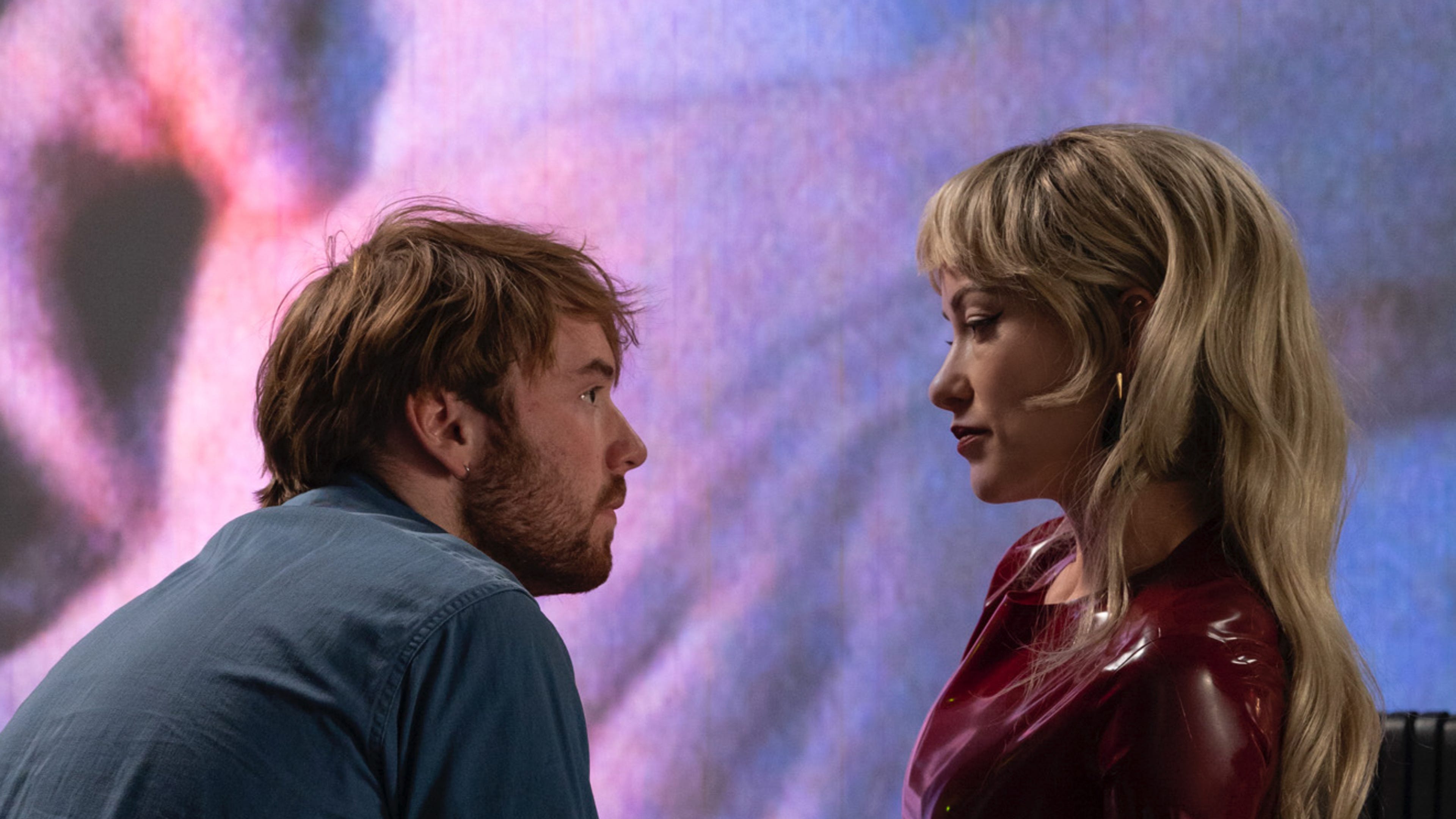
In The Invite, Olivia Wilde plays a bottom. In I Want Your Sex, she goes full domme as Erika Tracy. Elliot (Cooper Hoffman) is a fresh-faced and clueless man who is desperate for a job. Erika is a renowned artist whose work focuses around her sexual experiences. She hires Elliot as her assistant and subsequently makes him her submissive sexual muse. He becomes completely obsessed with her, but their relationship quickly goes off the rails.
It was a lot of fun in the moment, but the more time I have away from it the less I like it. Araki has spoken in interviews about how he made I Want Your Sex in response to Gen Z’s prudish and conservative attitudes towards sex. You can see this in the portrayals of the sexual acts themselves, which are sometimes quite fun, but it also devolves into overly didactic conversations that serve as opportunities for Araki to air out his grievances.
Beyond its occasional transformations into a polemic, I am skeptical of this general thesis. For years people have criticized Gen Z’s sexual attitudes, but frankly I just don’t think that this diagnosis of the youth is very accurate, or at the very least there’s more to the story that always gets ignored. “Gen Z hates sex” feels like one of those things everyone has been saying for the last 5 years based on random anecdotal evidence, like one-off tweets complaining about “unnecessary sex scenes in movies,” rather than like, actual data. It also fails to consider any material circumstances that might explain the general abstinence going around. Have we all forgotten that there was a pandemic that stopped people from being able to see each other, or that dating apps are legitimately poorly designed and worthy of critique, or that life under capitalism makes it difficult to find both the time and money to put yourself out there? If Gen Z isn’t having sex, it’s certainly not because of their lack of trying.
These kinds of frustrations with contemporary sex culture have refused to evolve in response to recent cultural events. I Want Your Sex is meant to be provocative for puritanical young people who don’t like watching sex scenes in movies. Perhaps this was true about them in the past, but at this point I just keep looking around in confusion. The young people who made made Heated Rivalry one of the biggest TV shows of the last year? The same generation that turns every piece of spicy smut recommended on BookTok into a New York Times bestseller? Are we talking about the same people? I won’t pretend like our current cultural moment isn’t conservative, nor will I argue that Gen Z is secretly the most promiscuous to ever do it, but surely we realize that whatever is going on here is more complicated than these one liner denigrations. I simply don’t buy it.
Leviticus dir. Adrian Chiarella
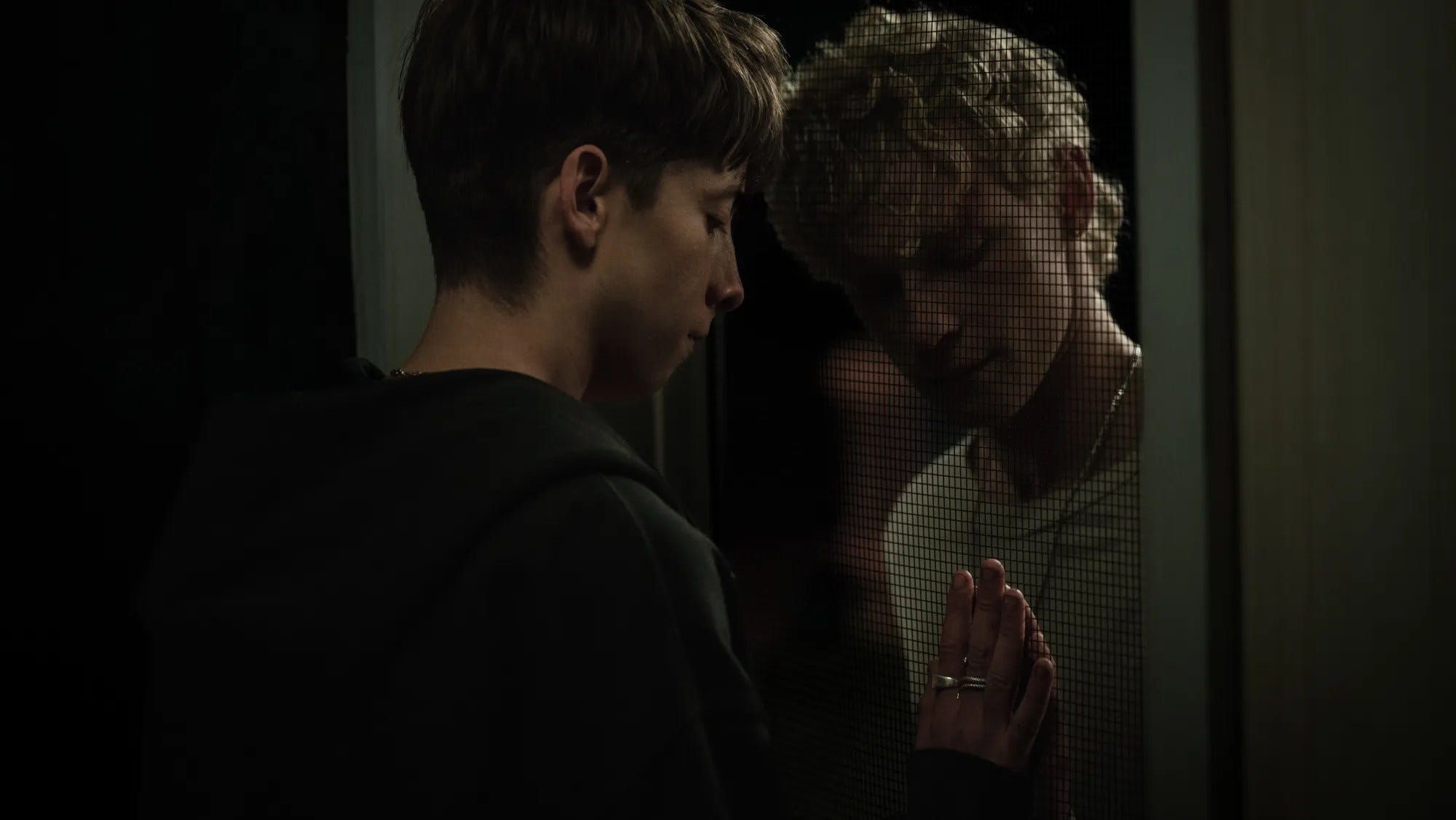
The biggest sin this film commits is being conceived too late. Back in the 2010s, A24 was selling horror movies that were 1:1 allegories for some social ill or personal struggle like they were Bibles. Leviticus would’ve thrived in an era where the appetite for this kind of thing was voracious, but in 2026 we’re well past the last supper. In this case, the horror in Leviticus is a metaphor for the hatred that religious communities have for, and instill in, queer people. To call it a metaphor is already hyperbole; it’s moreso a deadlier elevation of the dangers the LGBT community already faces. The main characters are 2 teenage boys who’s sexual orientations are found out by the local religious community. The church hires a strange priest to perform a ritual, which summons an It Follows-style demon to chase the boys around and attempt to kill them. The difference between the monster from It Follows and this is that instead of being able to shapeshift into literally anyone, this one always transforms into the person you’re most attracted to.
You can probably already see why this would be an awful and cruel but unfortunately effective kind of conversion therapy, one that would Pavlov someone into feeling instant fear at the mere sight of the person they are in love with, and ultimately causing them to shove down their desires. The film tries to balance a queer coming-of-age romantic storyline with horror sequences that are blocking the characters from being together. It has great lead performances from Joe Bird and Stacy Clausen as Naim and Ryan, respectively, but never quite pushes beyond letting the dominoes of its premise play out. While the film was obvious, I didn’t find it dishonest, and there is at least one scene that is surprisingly moving. It’s far from a complete waste of time, but I wish the script was a bit sturdier and fleshed out.
Maddie’s Secret dir. John Early
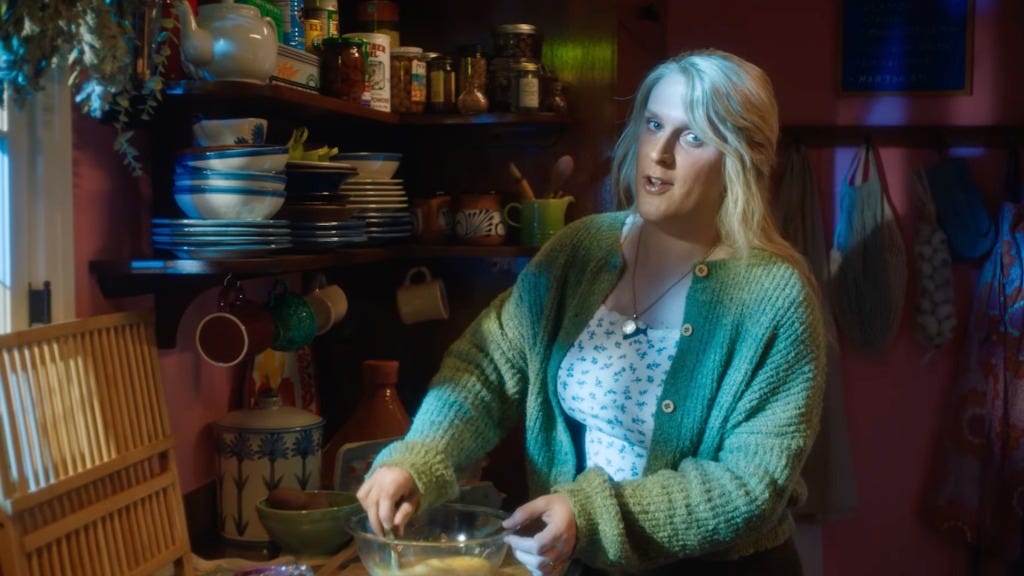
One of the best films you could see this year, Maddie’s Secret is a legitimate miracle. Stylized as a parody of 90’s Lifetime TV movies, Maddie (John Early) works as a dishwasher for a food content creation company, when suddenly she is thrusted into online stardom after she creates a viral video cooking one of her own recipes. This allows her to live her dream as one of the chefs in front of the camera, but there’s just one problem: Maddie struggles with an eating disorder, her titular secret that she keeps hidden from her husband, friends, and job.
What makes Maddie’s Secret so special is the way it manages to thread the needle between parody/satire, camp, and complete sincerity. There is a world where this film, given its subject matter and style, comes off as offensive or cruel while making pointed jabs at the struggles women go through. Instead, Early’s performance as Maddie is done with complete earnestness. It is constantly funny, and yet never makes a joke at the expense of Maddie or her condition. The Lifetime-TV-movie tone helps create this feeling of camp, an exaggeration of reality that still feels true. It is extremely touching, with incredible performances from the cast. Fans of the current world of comedy will be happy to see Eric Rahill, Kate Berlant, and Conner O’Malley in standout roles. Also worth noting: it is absurd how beautiful this movie is to look at. The lighting, and use of color and shadow are top notch. This American indie will make you wince at the multimillion dollar, grayed-out garbage cans that get paraded around as Hollywood blockbusters.
Late Fame dir. Kent Jones
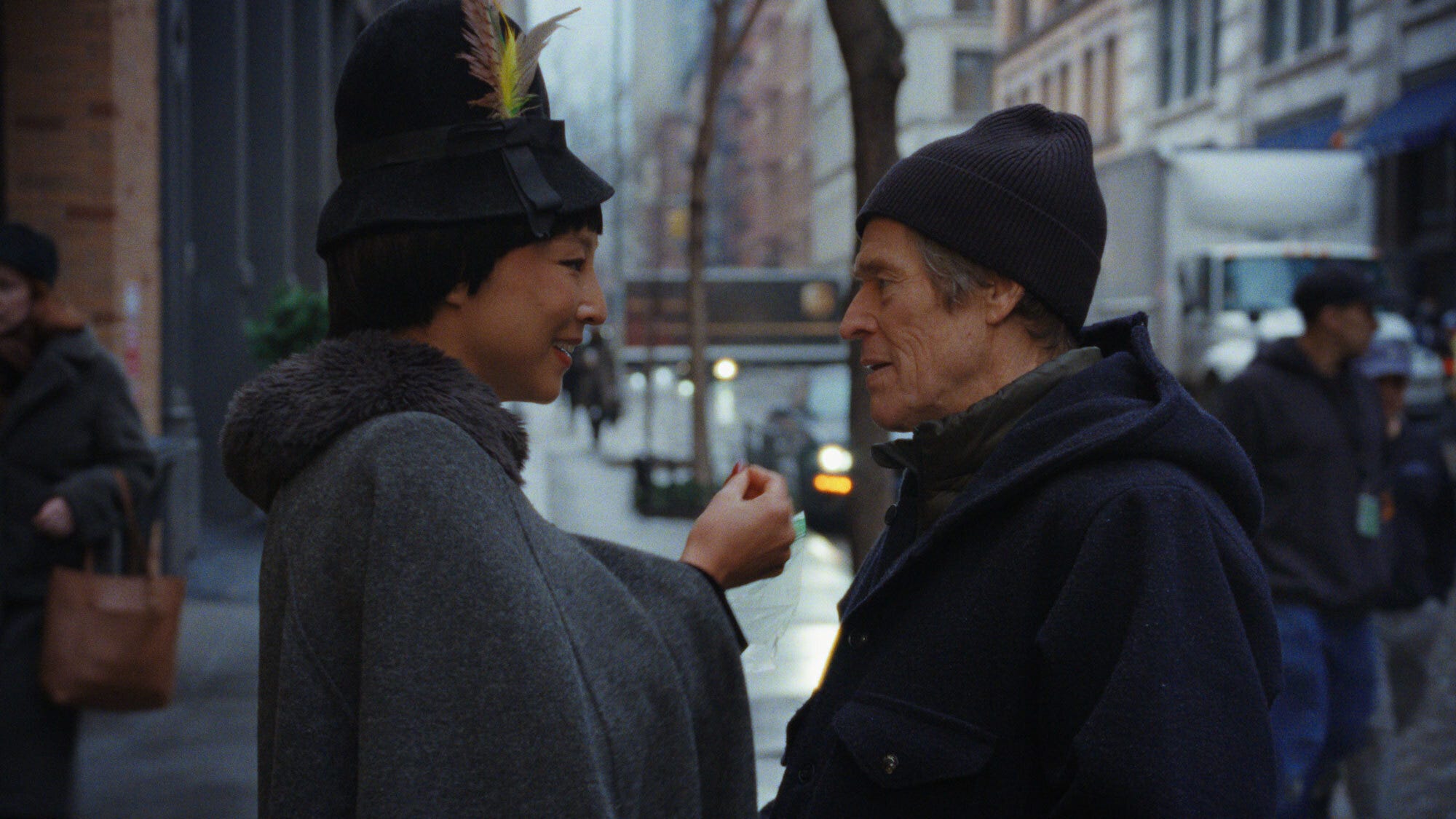
Adapted from a posthumously published novella by Arthur Schnitzler, Late Fame is a character study of Ed Saxberger (Willem Dafoe in a lead role, something he doesn’t get enough). Back in the 1970s, Ed wrote a book of poetry that no one read. He has been working at the post office for decades, and hasn’t written anything in just as long. Suddenly, an uppity rich kid named Meyers (Edmund Donovan) shows up at Ed’s doorstep to tell him that his collective of young artists read his book and absolutely loved it. This puts a new spring in Ed’s spry step, as he reassesses his own artistry, grapples with his resurgence as a sort of micro-celebrity, and begins spending time with this new generation of “artists.”
I believe Late Fame will likely go down as an underrated gem from this year, but I hope enough people watch it that this is not the case. It is an extraordinarily poignant portrait of how people fall into nostalgia, often finding it in the wrong places while living in very different world compared to the time they had in the spotlight. Dafoe is giving some of his best work, an actor who we often see for 10 minutes as some crazy guy, but deserves equal opportunity to be at the center of a story. I was also very on board with the film’s skewering of the faux intellectualism and pompous solipsism that many rich and privileged “creatives” carry themselves with. Meyers and his collective of young up-and-comers are obsessed with being seen, and becoming famous and influential. They have the familial connections and financial means to do so, all while walking around like they’ve already done something great without having created any real art at all. They treat Saxberger like a myth, much in the same way we treat all artists like myths. There is an idolization that comes naturally with the mysterious nature of making art, which divorces the artist from their personhood in the eyes of a spectator or consumer.
But the reality is that artists are just people, which is beautiful and more than enough in and of itself, they just happened to also make some stuff you really like. A lot of them probably have a day job like Saxberger, especially in this economy. In fact, every single writer or artist I personally know has a day job, a subject that came up more than once as I spoke with my friends at CCFF. What Late Fame shows so brilliantly is how having your art be understood is so much more spiritually fulfilling fame, and how chasing the whims of the algorithm and creator economy leads to a more hollowed existence. Sometimes though, you end up like Saxberger, falling for the tall tale of the mythic artist and the sweetness of possible recognition.
A.I. Artificial Intelligence (2001) dir. Steven Spielberg
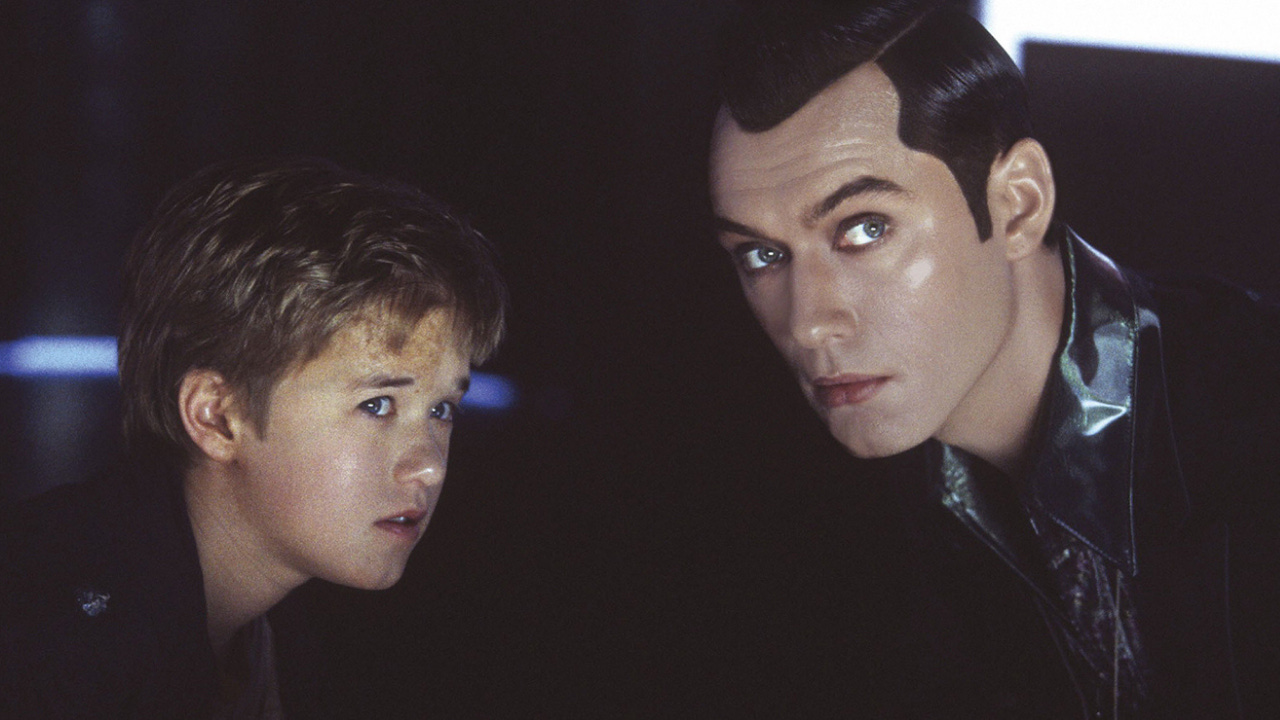
One of the retrospective screenings CCFF put on. A.I. has been getting a massive reappraisal from critics in the last year or so; I keep hearing people say it’s Spielberg’s best. Having never seen it before, getting to experience it in 35mm on a big screen was an exciting way to get acquainted.
I found A.I. to be an interesting cultural artifact in the anthropological sense, but not particularly appealing to watch in the movie sense. I grew up obsessed with the Jurassic Park trilogy, and the upcoming Disclosure Day looks pretty cool, but ultimately I'm not a Spielberg expert and I don't have any unique fondness for his oeuvre. A.I. was far too long for my liking, and it left me frequently perplexed, exhausted, and quite disturbed. This is such a philosophically bleak and grim thought experiment of a movie—what if you taught a robot to love in the most innocent and childlike way, only for it to receive none in return and subsequently be tortured by that for eternity?
Spoilers because this movie is old: Watching this in a theater was fascinating. The people all around me were sniffling and sobbing at its resolution, likely experiencing what I assume is the catharsis of a sentimental wrap-up. All I could see on the other hand was something so despairing: a lie to salve all the pain, a fairy tale and a dream to skirt around the agony of the truth. Everything is dead. You can’t be real in the way you want to be, and you never will. So just live the lie for one day, and go to sleep. This was ultimately what made it feel too long for me. Where I imagine there is supposed to be some kind of bespoke and sappy relief, all I found was more darkness, making it redundant. The film could’ve ended before a bunch of future robot aliens showed up and I would’ve found its conclusion emotionally identical.
If I Go Will They Miss Me dir. Walter Thompson-Hernández
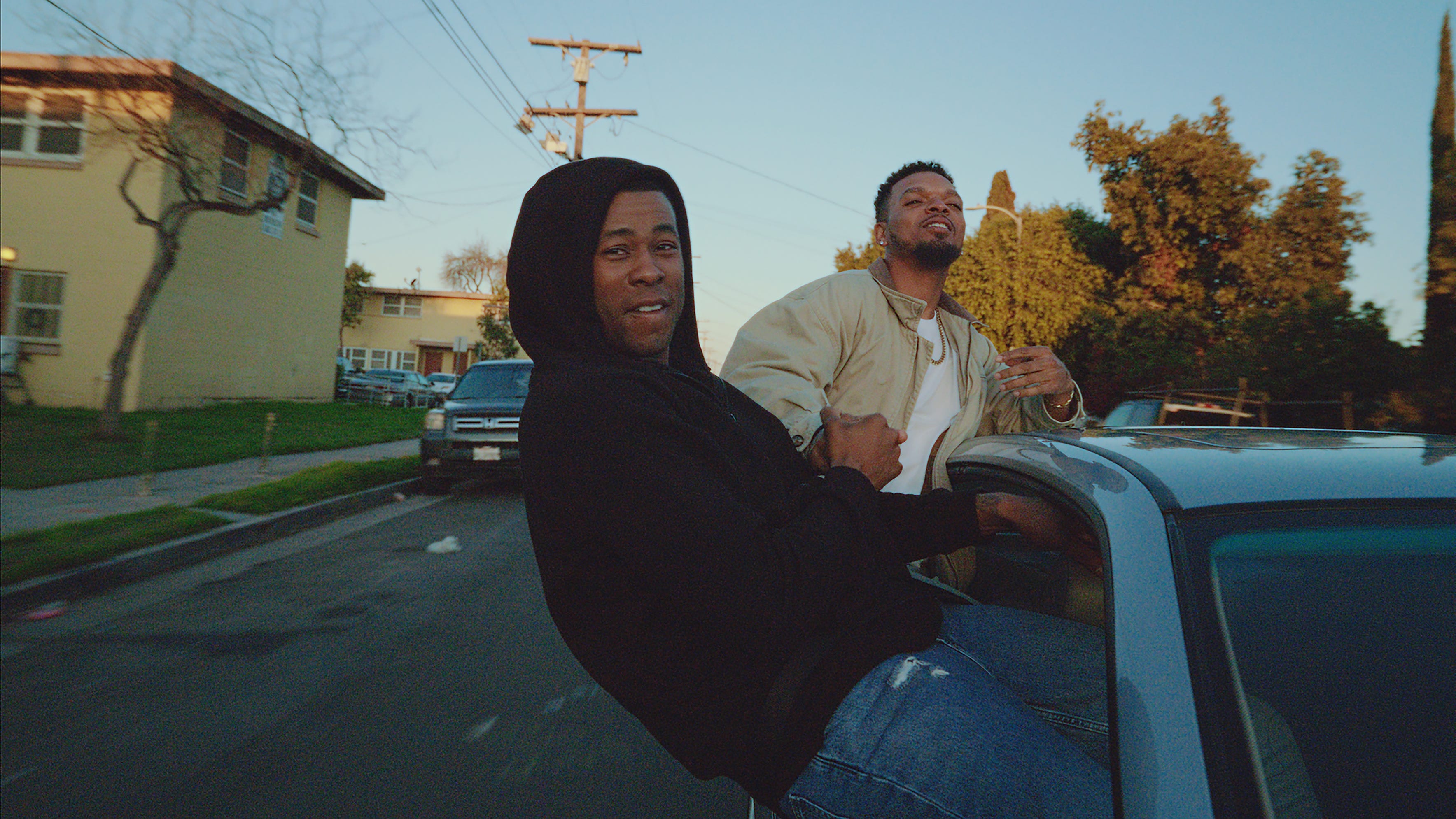
Owes a lot of its identity to both Charles Burnett and Barry Jenkins, and I mean this as a high compliment. If I Go Will They Miss Me is a family drama set in Watts, Los Angeles, a historically black neighborhood that is also where Burnett famously shot Killer of Sheep. The film primarily explores a fraught father-son relationship. Big Ant (J. Alphonse Nicholson) has been recently released from prison and is struggling to reconnect with his wife and kids. His son Lil Ant (Bodhi Dell) idolizes him as if he’s literally a god. This relationship carries the dramatic irony of Greek tragedy, as we all know this young boy will forever be disappointed by the person his father cannot be, yet the father will try all the same to no avail.
The film relishes in the poetry and heartbreak of ordinary people trying their best despite their flaws and circumstances. As each character falls from grace due to their inevitable shortcomings in the eyes of another, there is then an elevation of the ordinary through the empathetic filmmaking, which reverently examines these people’s lives and makes a myth out of the mundane. Malick’s DNA is especially seen in the dreamlike and ethereal sequences. It’s more lyrical and literary than you would expect, and simultaneously has a striking naturalism to it. There were at least a few scenes that while watching I found myself thinking, “if I didn’t know otherwise, this could convincingly be documentary.” I found it quite beautiful and moving.
Black Zombie dir. Maya Annik Bedward
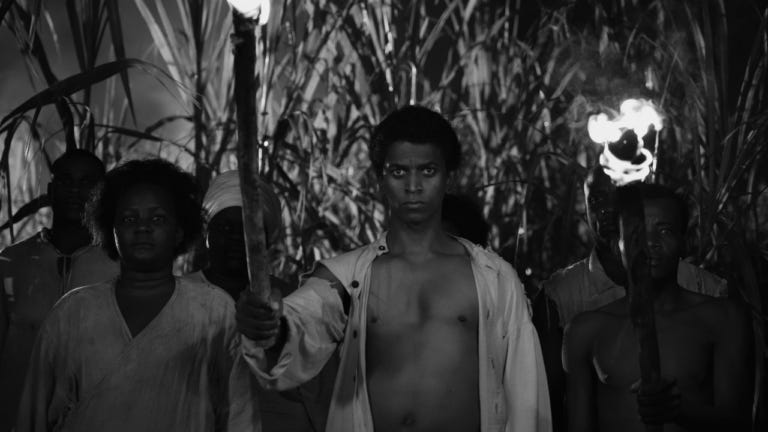
There was an uptick in documentaries at this year’s CCFF, many of which I heard incredible things about but unfortunately did not get the opportunity to see. I did get to this one though, which is also very good. Black Zombie chronicles the evolution of the zombie throughout the decades as a horror movie monster, and its origins in Haitian culture and the religious practice of Vodou. Much like learning about anything else in the history of Hollywood or America at large, it turns out that zombies have a very racist history.
There is a mix of archival footage, dramatization, interviews with expert historians and Haitian Vodou practitioners, and recorded footage of contemporary life in Haiti that keeps the film propulsive for its entire runtime. The doc is only 90 minutes long, and is thus extremely dense in information, yet it never lulls into an information dump, successfully avoiding the vibe of reading a textbook. You will walk out of Black Zombie feeling like an expert and will have had an engaging viewing experience the entire time.
BONUS: Blue Heron dir. Sophy Romvari
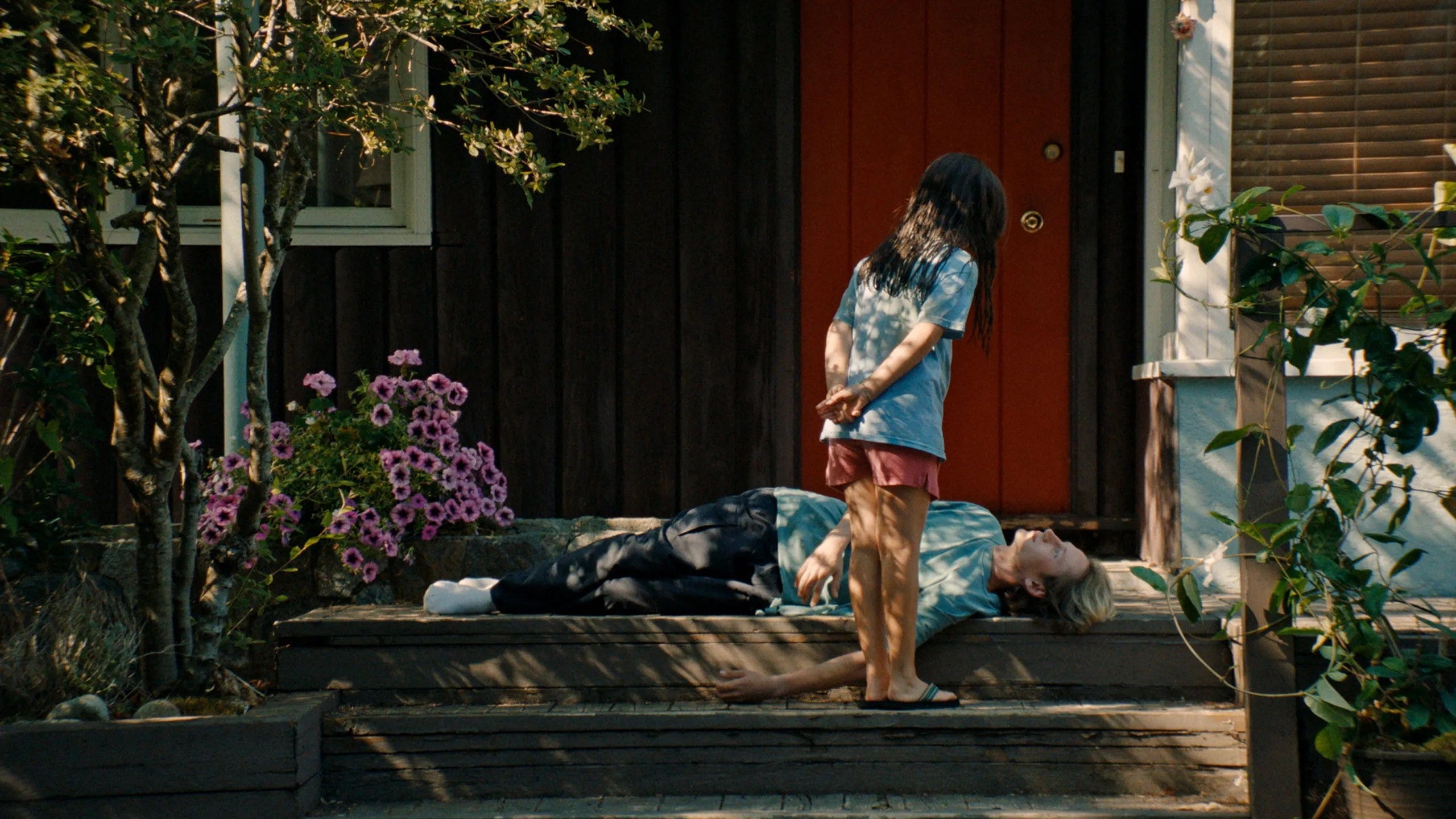
Blue Heron was not at the Chicago Critics Film Festival, but it began playing in theaters during it. I have been heavily anticipating this film since I first heard rave reviews out of various festivals in 2025, so I made sure to find the time to see it as soon as I could. To quote myself from another post I made:
“Everything I’ve heard about it makes it seem that it will completely destroy me emotionally, and to that I say: I am ready to be broken.”
I was not ready. I don’t know when I’ll ever be able to precisely articulate what this movie did, but what I can say for now is that I have been completely shattered. I am an open wound. I have struggled to not suddenly burst into tears in public from the mere thought of certain scenes since watching it. It is unquestionably the best film of this year so far, and I cannot fathom what could possibly come out that would make me change that answer. Go see this, it is truly something special.
Letterboxd list of 2026 CCFF films ranked.
Letterboxd list of my rankings of 2026 releases so far.
That’s all for now, see you next time.
I appreciate your comments on Araki’s inspiration for I Want Your Sex I remember thinking something similar when I saw the flashy headline lmao.